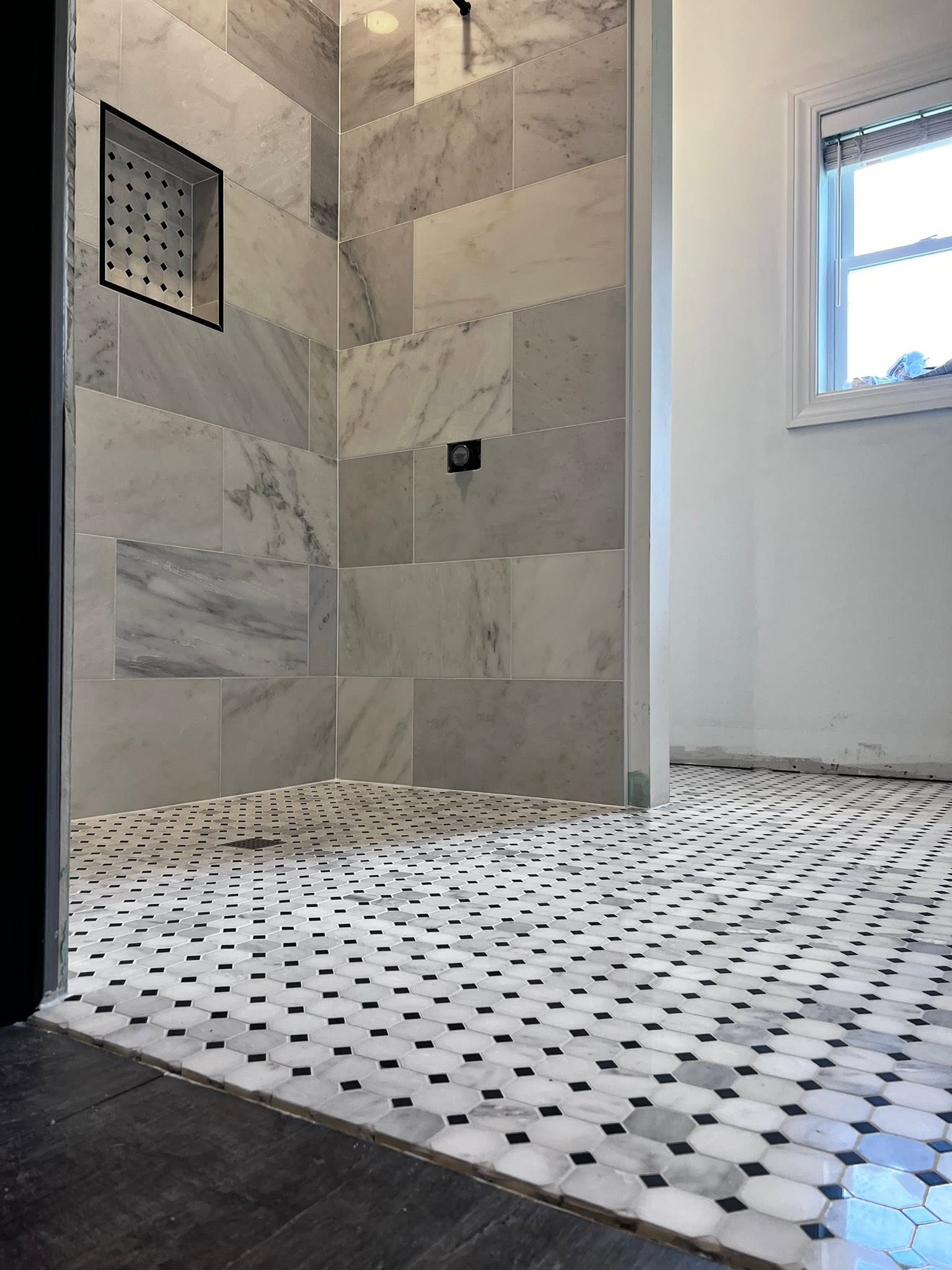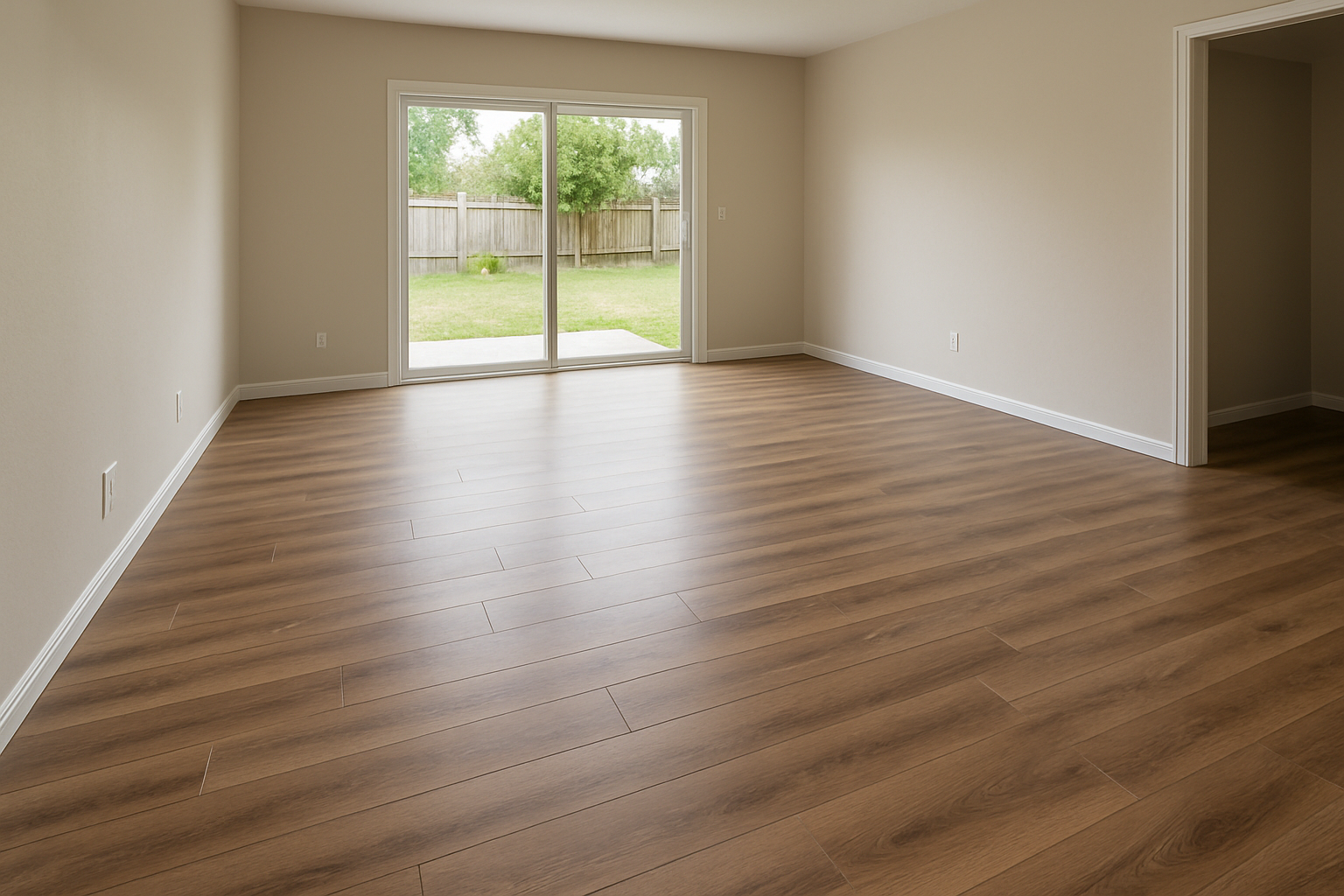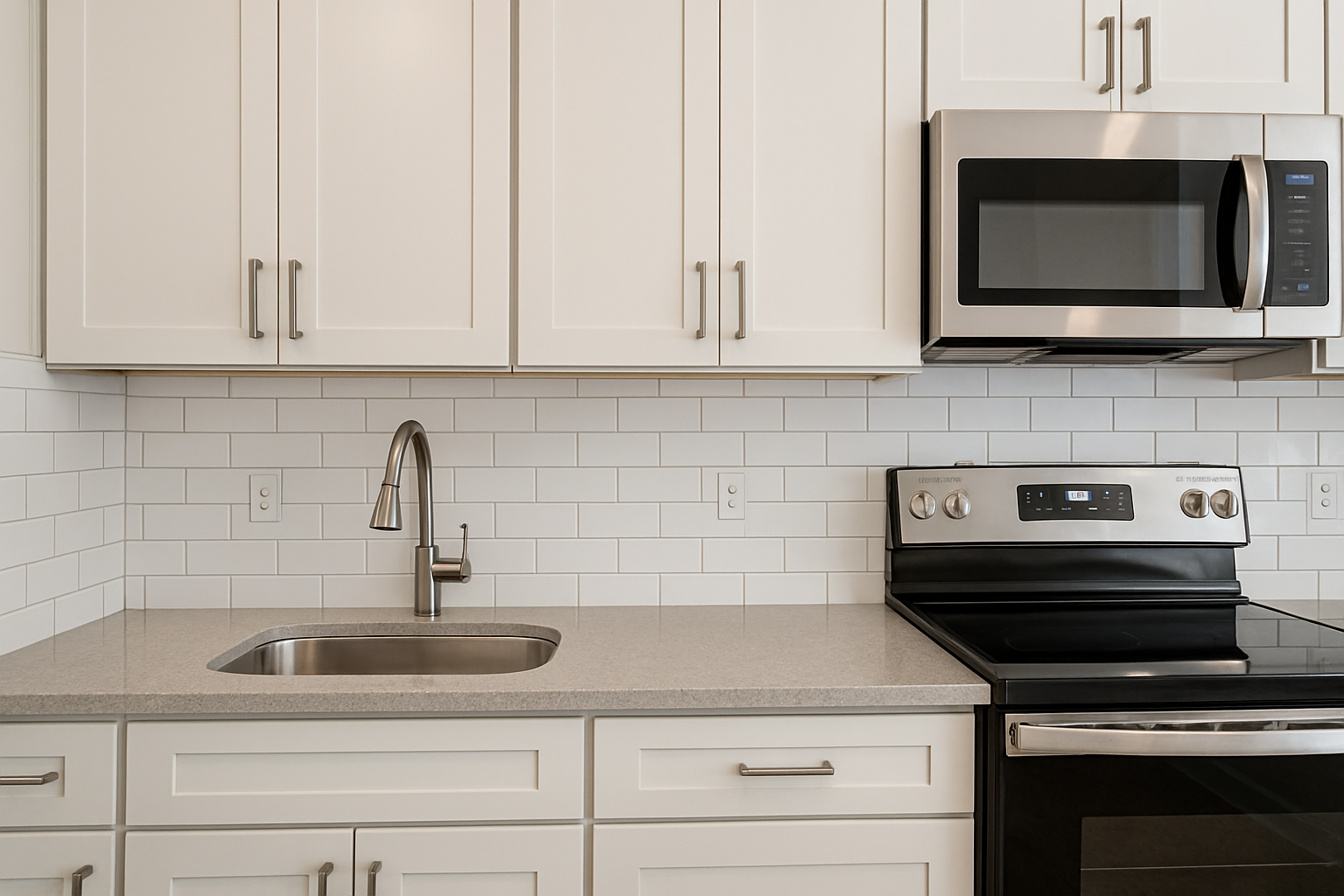
Grout failure in Cincinnati kitchens typically happens because standard cement-based grout is porous and absorbs moisture, stains, and bacteria over time. If your grout looks darkened, discolored, or feels soft when you press it, water has likely penetrated it and begun breaking down the material from within. Kitchen grout fails faster than bathroom grout because of constant splashing, spills, and the temperature fluctuations between hot stovetops and cold refrigerators that cause expansion and contraction.
DIY grout cleaning products might temporarily mask the problem, but they won't fix underlying damage or prevent further deterioration. Once grout starts crumbling or cracking, it creates pathways for moisture to seep beneath your tiles and damage the subfloor underneath—a much more expensive repair than regrouting. Many homeowners wait until they see visible mold or water damage, but by then the cost has already multiplied because the substrate itself needs attention.
The solution is professional regrouting with modern epoxy or urethane-based grouts that resist moisture, stains, and mold far better than what was installed decades ago. MJ Flooring can evaluate whether your grout just needs replacement or if water damage to the subfloor requires more extensive work. Acting quickly when you notice grout problems saves thousands in water damage repairs and keeps your kitchen both functional and healthy for years to come.